AI Time-Back Assessment
Know what to fixbefore you spend a dollar on tools.
I look at the work, the time it takes, and the tools you already pay for, then hand you a plan: what to fix first, what it will take, and a fixed price if you want me to do it.
Example
Your week, mapped
"So what are you doing with AI?"
If that question makes you wince, you're in good company. Maybe one of these sounds familiar. Each one quietly costs something.
“I pay for ChatGPT, but I mostly use it for emails.”
A subscription doing a tenth of what it could.
“I tried a couple of apps. They didn't stick.”
Money and a weekend spent, nothing changed.
“I'll figure it out after the busy season.”
The busy season is when the admin hurts most.
“I don't know what I don't know.”
So the easy wins stay invisible.
YOUR BUSINESS, AFTER HOURS
OPEN LATE · EVERY NIGHT
- Apps paid for, barely used
- $$ / month
- Re-typing the same info twice
- hours / week
- Follow-ups that never went out
- lost jobs
- Evenings on admin
- your time
*** THANKS FOR GUESSING ***
How the assessment works
Step 1
Start with what you've already tried
What have you asked AI to do, and did you like what came back? Which job would you happily never do again? A half-working experiment is often the fastest way in.
The free 30-minute call.
Step 2
Watch how the work actually happens
I sit with you, and with whoever else touches the work, and follow a real job from the first message to the final invoice: the apps, the spreadsheets, the sticky notes, the workarounds.
Usually one or two sessions, in person or on video.
Step 3
Work through the options
For each job I look at four answers: the tools you already pay for, a better tool, a simpler process, or leaving it alone. AI is one option, not the only one.
I do this part on my own time.
Step 4
Leave with a clear next step
You get the plan below, walked through in person. If a setup makes sense, it comes with a scope, a timeline, and a fixed price. You decide what happens next.
A one-hour walkthrough.
What I look at
The places where time really goes in a small business. That's where the easy wins hide.
Your week
How the work really runs
Not how it's supposed to run. The gap between the two is where the hours go.
Fit
Where AI actually helps
Some jobs are perfect for AI. Some need a better app. Some just need a simpler process.
Tools
What you already pay for
Your email, calendar, booking app, and AI subscription can probably do more than you use them for.
Tried
What you've already tried
The prompt that half-worked, the app you gave up on. Both tell me where to start.
Written down
What lives only in your head
AI needs the same instructions a new hire would. If your checklists and price sheets are in your head, we get them out first.
Customers
Your customer's experience
From the first inquiry to the final invoice: where people wait, repeat themselves, or drop off.
How I decide what's worth fixing
Every job on the list gets the same three questions. The answers set the order.
How much time comes back?
Split the job into steps
AI rarely does a whole job, but it often does the first few steps. If it does half of a 4-hour job, that's 2 hours back every time the job comes up.
What's it worth to you?
Money, or your sanity
Some savings are dollars. Some are evenings back, or one less thing to dread. Both count, and I'll say which is which.
What could go wrong?
And what's the safety net
If a mistake would reach a customer, a person checks it first. If there's no safe way to do it, I'll tell you to leave it alone.
What you get
Four things you walk away with.Pick the scope that fits.
Every assessment ends with the same four pieces, walked through in person. The scope decides how wide I look.
- 01
Your process map
How the work really flows today, and the same process redrawn with AI and better tools.
See an example ↓ - 02
The time-back list
Every job worth handing off, ranked by the hours it would give back.
- 03
A tool shortlist
What you already pay for that can do more, and anything new that clearly earns its place.
- 04
A first-job plan
Scope, timeline, and a fixed price for the first job, in writing. You decide what happens next.
For when you're not sure where to start.
Whole-business assessment
- Every recurring job: bookings, messages, billing, paperwork
- A look at the tools you already pay for
- The ranked time-back list and a simple roadmap
For when you already know what's eating your week.
One-job assessment
- One workflow mapped end to end, before and after
- The right tool for that one job
- A fixed-price plan to get it running
Timelines are typical, not guaranteed; they vary with the size of your business and how quickly we can meet.
Time-back calculator
What could you get back?
Hours back each week
7.2
Hours back each year
346
Worth about, per year
$20,800
A rough estimate to start the conversation, not a promise. It assumes 48 working weeks. The assessment measures your real numbers.
Book the free 30-minute callFirst I map how the work really flows.Then we redraw it with AI doing the busywork.
This is the business analysis part: every step, who does it, and what it costs you. The red marks are where your evenings go.
- Steps on you
- 6 of 8
- After-hours work
- Most nights
- Your time, per week
- About 6 hrs
Illustration for a bookings-based business. Your map, and your numbers, come from your own week.
Who's doing the assessment
Global rollout of TakVisor, the AI platform I led, across 25+ Takeda sites in 5 regions. It cut document search from 45 minutes to under 5.
A $160M+ IT portfolio governed at Boston Medical Center, across 20+ teams and 150+ people. I was one of the leaders who implemented its PMIS, moving project, program, and portfolio management off an all-Excel start.
One of the first AI-integrated project management graduate courses in the country, which I designed and teach at Boston University.
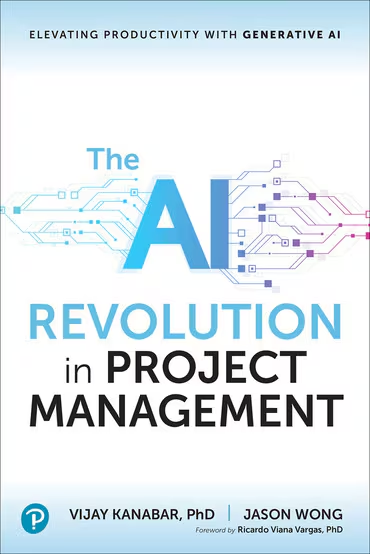
Where this fits
Not sure where to start? Start with the assessment. If you already know the job you want gone, go straight to a setup. Training works on its own or alongside either one.
1. Start here
AI Time-Back Assessment
I map how your business actually runs and hand you a ranked list of the jobs AI and better tools can take off your plate.
- About 1–2 weeks
- Fixed fee
You're here2. Then
Done-for-You AI Setup
I set up the reminders, follow-ups, assistants, and connections inside the tools you already pay for, then hand them over working.
- Runs in your accounts
- Fixed price per job
3. Anytime
Hands-On AI Training
You and your team learn to hand AI real work, practicing on your own tasks, in person or remote.
- 1 to 25 people
- Taught by a BU adjunct professor
Not sure which fits? The free 30-minute call sorts it out. I'll tell you what I'd do in your shoes, even if the answer is "nothing yet."
Assessment questions
What's the difference between the two scopes?
The whole-business assessment looks across everything you do to find where the time goes. The one-job assessment starts from a job you already know is the problem and works out the best way to fix it. If you're not sure, start with the whole business.
What does it cost?
A fixed fee, agreed in writing after the free 30-minute call, before any work starts. It depends on the size of the business and how many people I need to talk to.
Do I need to be using AI already?
No. The assessment is most useful when you know AI could help but aren't sure where to start. I look at the work first and the tools second.
What if you tell me not to change anything?
That's a real answer, and sometimes the right one. The best fix might be a setting in an app you already have, a simpler process, or leaving a job alone. My job is a good decision, not a sale.
Do I have to hire you for the setup?
No. The plan is yours. Use it with me, with someone else, or on your own. If you do continue with me, I already know how your business runs, so we start faster.
What if nothing about how we work is written down?
That's normal for a small business. I help you get it out of your head, and AI can do most of the work: it can interview you and turn your answers into a checklist or a price sheet.
How much of my time does it take?
Expect a few hours in total, spread over one or two weeks: the conversation, a session or two where I watch the work, and the walkthrough at the end.
Schedule a free 30-minute consultation.Tell me the one job you're sick of doing.
- Format
- 30-minute call
- Price
- Free
- How
- Phone or video
What to expect
- A reply within one business day
- A fixed price in writing before any work
- No new software to learn
Prefer email? jason@jason-wong.com